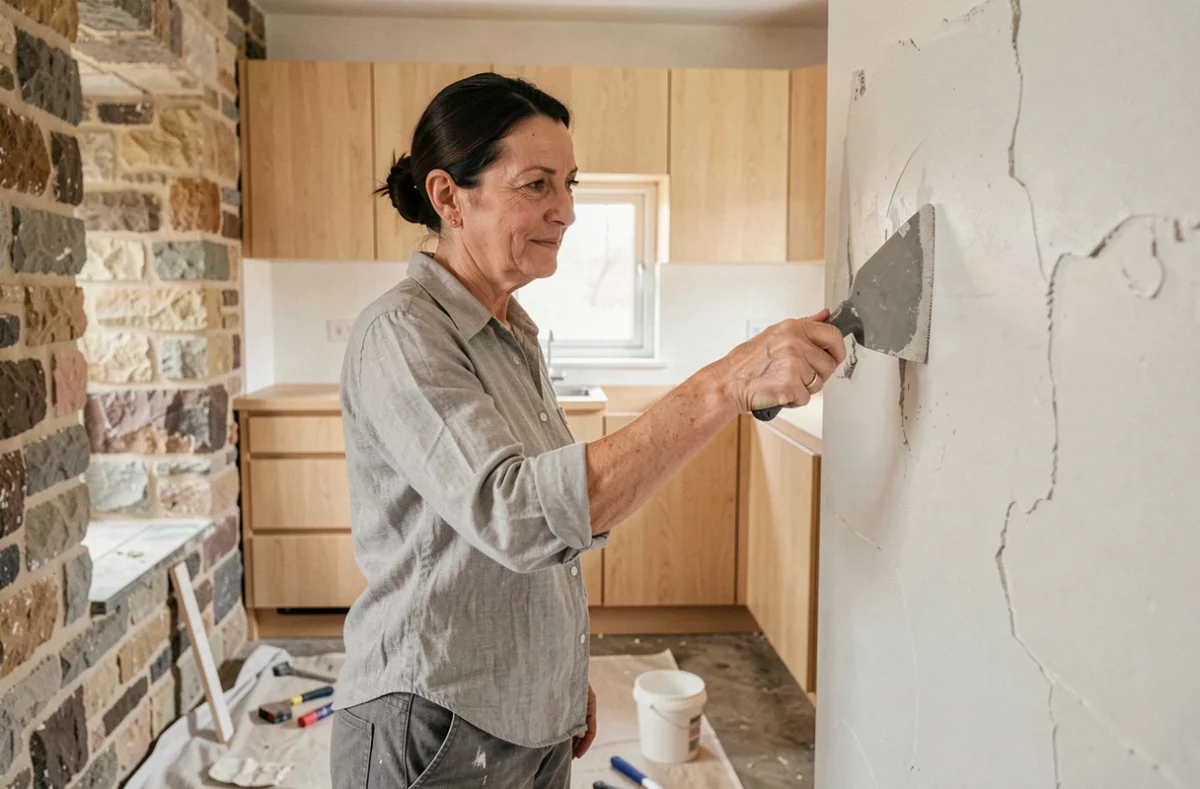
A property with an energy rating of G can no longer be offered for rent under a standard lease from 2025. This regulatory requirement changes the equation: renovations are no longer just about improving a property before selling it, but also about preserving the ability to rent it out or increase the rent.
According to Notaires de France, A-rated apartments sell for an average of 16% more than D-rated ones, while a G-rated property can lose up to 25% of its value if it is a house. Before choosing your renovation work, you therefore need to decide whether your goal is to sell, rent out the property, or both.
Energy ratings and rental restrictions: the real starting point for renovations
Thinking of renovating your home to sell it for more? Start by checking its energy rating. The energy performance certificate (DPE) now affects much more than the sale price.
F-rated properties will be subject to a rental ban from 2028, followed by E-rated properties from 2034. If you are a landlord, restoring your ability to rent out the property may be more urgent than increasing its resale price. Current rules also prevent landlords from reviewing or increasing the rent for F- or G-rated properties. Energy-efficiency renovations remove both restrictions.
One other detail to bear in mind: a better DPE rating does not always mean the property has been physically improved. Notaires de France notes that some reclassifications result from changes to the calculation method, including adjusted thresholds for homes under 40 m² since 2024 and a change to the electricity conversion factor. Before planning costly work, check whether your current rating reflects the property’s actual condition or simply an administrative recalculation.
You can find renovation work on Echange Immo to identify projects suited to your rental or investment goals.
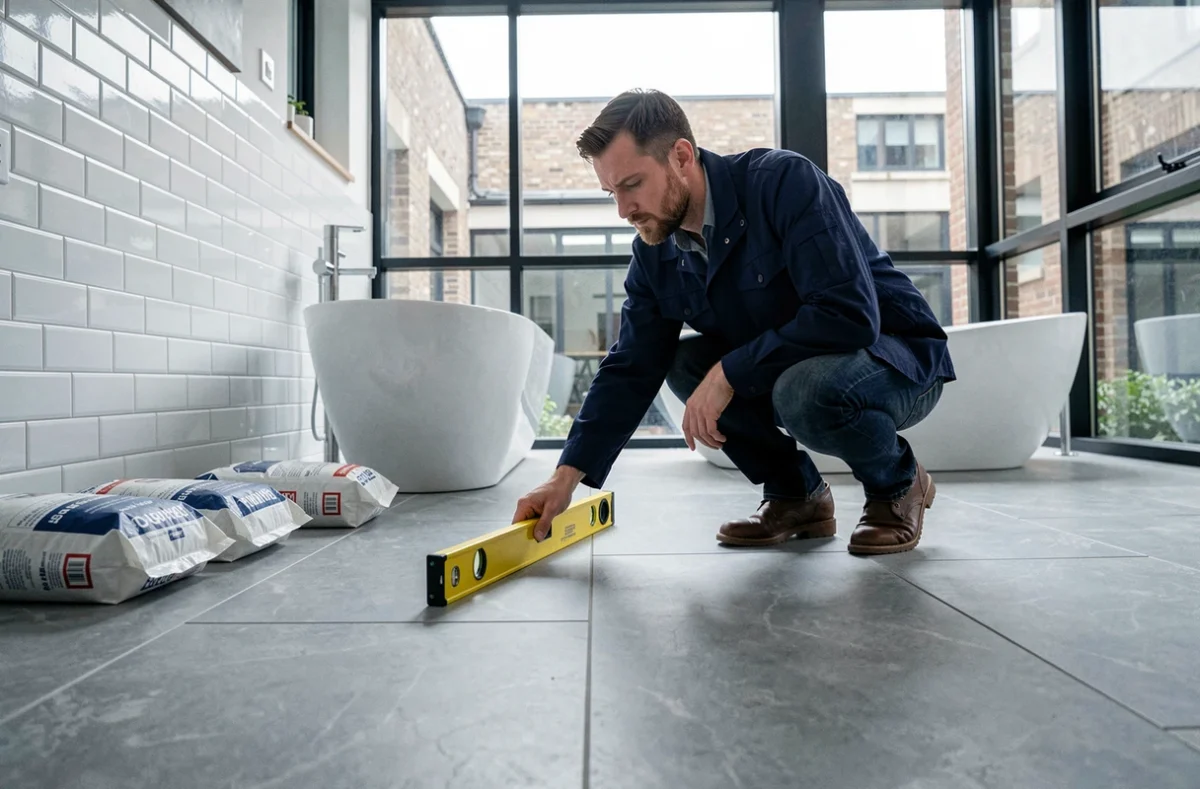
Energy-efficiency renovations: the work that can boost your sale price
In the property market, each improvement in your DPE rating can add several percentage points to your property’s value. Notaires de France reports that upgrading a house from G to C can add tens of thousands of euros to the value of a property estimated at €250,000.
Not all improvements deliver the same return. Here are the projects that offer the greatest energy-efficiency benefits:
- Insulating the attic and exterior walls reduces the most significant heat loss, which is often responsible for most of the heat escaping from an older house.
- Replacing windows (single glazing with double or triple glazing) improves both acoustic comfort and the DPE rating.
- Installing a heat pump or upgrading the heating system makes it possible to switch to a less expensive energy source that receives a better rating in the assessment.
Prioritize insulation before heating: replacing a boiler in a poorly insulated home is like heating the outdoors. The order of the work matters just as much as the type of work.
Financial assistance: check before setting your budget
Available support schemes (major renovations and targeted work) change regularly. The list of eligible improvements and the amounts available vary from year to year. A renovation plan that makes sense for your property may not match the work eligible for funding when you start the project. Check the current requirements before finalizing your budget.
Kitchens, bathrooms and living space: tailor renovations to the local market
Energy-efficiency upgrades are not the only way to add value. In some markets, a renovated kitchen or modernized bathroom can prompt a buyer to make a decision faster than an improved DPE rating. Buyers compare your property with similar homes in the same area. If competing properties have recently fitted kitchens, a 1980s stainless-steel sink is more likely to bring down your price than a poor energy rating.
On the other hand, investing in a high-end kitchen in a neighborhood where prices per square meter remain moderate is unlikely to pay off. Your renovation budget should be proportionate to local property prices.
Add living space without extending the property
Converting an unused garage into a habitable room or fitting out an unused attic creates extra living space without an extension. These projects often offer the best return per euro invested, provided the ceiling height and access meet the relevant standards.

Renovations that may not pay off: what to avoid
Not all renovation projects are equal when it comes to resale. Some improve your day-to-day comfort without persuading buyers to pay more.
- An in-ground swimming pool comes with maintenance costs that many buyers see as a burden rather than an asset. In temperate regions, it rarely adds value to a property.
- Highly personalized decor (patterned wallpaper, bright colors) means buyers have to factor in additional work. Neutral shades make it easier for them to picture themselves in the home.
- Sophisticated smart-home systems appeal to a limited audience and quickly become outdated. Their installation costs almost always exceed the added value buyers perceive.
A simple refresh costs little and goes a long way toward reassuring buyers. Repainting the walls, replacing damaged flooring and bringing the electrical system up to code are straightforward improvements that address the concerns buyers are most likely to raise during a viewing.
The right renovation work always depends on three factors: the property’s current condition, the local property market and your goal (selling, renting or living there). A well-insulated house in a sought-after neighborhood does not need the same work as an F-rated apartment in a mid-sized city. Tailoring your project to the circumstances is essential if you want every euro invested to be reflected in the sale price.