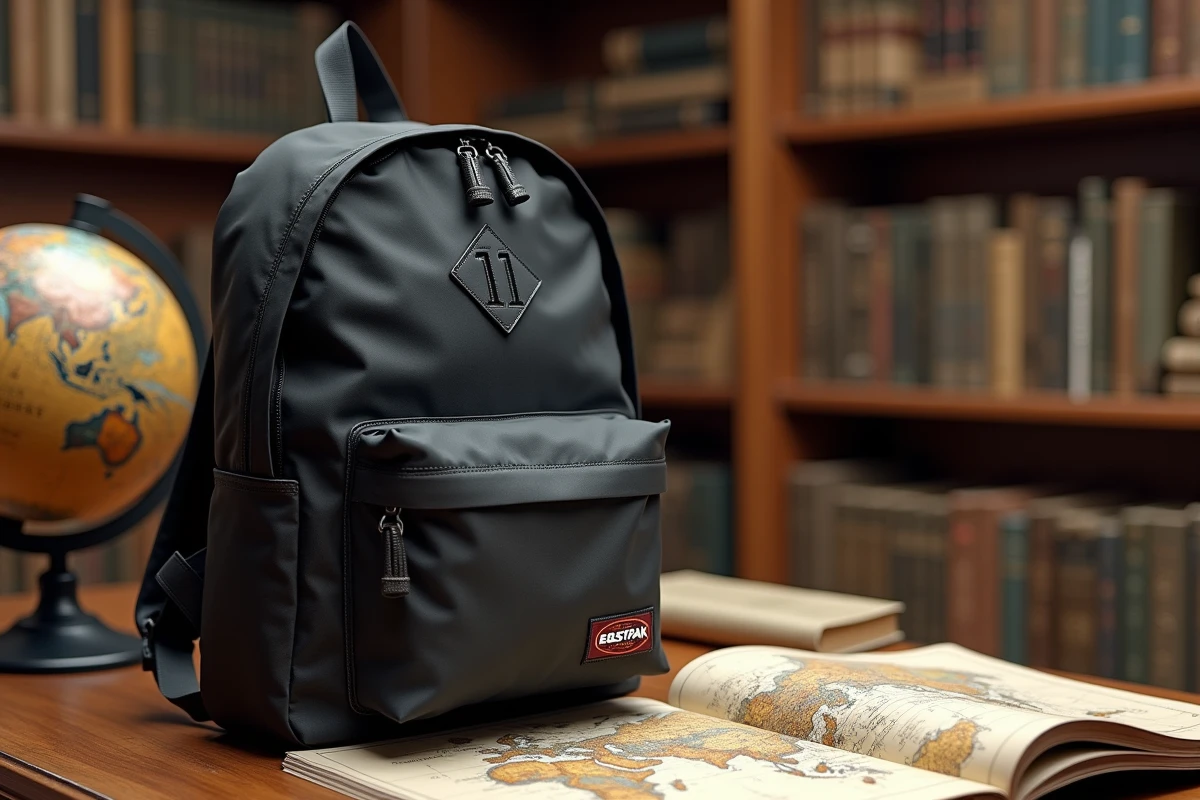
Eastpak is an American brand founded in 1952, originally under the name Eastern Canvas Products, to manufacture bags and equipment for the United States Army. Since its acquisition by VF Corporation, production has moved off American soil to several countries, primarily in Southeast Asia. Understanding the origin and current manufacturing locations of Eastpak helps to better assess the relationship between quality, price, and the brand’s commitments.
From American military gear to mainstream backpacks
Eastern Canvas Products manufactured sturdy canvas bags for the U.S. armed forces. The shift to the civilian market occurred in the 1970s when the brand was renamed Eastpak and began targeting students and young urbanites.
This commercial pivot transformed the product positioning. The Padded Pak’r, the flagship model, retained the reinforced construction inherited from military specifications while incorporating colors and collaborations with designers to appeal to a fashion-conscious audience. Mark Goldman, a figure associated with the brand’s development, played a key role in this transition to streetwear.
To delve deeper into the origin and manufacturing countries of the Eastpak brand, the question of factories and materials used deserves special attention.
Eastpak factories: where are the bags made today
Eastpak production no longer takes place in the United States. The factories are now concentrated in Vietnam and Indonesia, two countries where VF Corporation has intensified its manufacturing since 2024, according to the VF Corporation 2025 annual report.
This move to Southeast Asia responds to a specific industrial logic:
- Labor costs allow for maintaining accessible prices in a highly competitive market, where a Padded Pak’r typically sells for around a few dozen euros
- The textile infrastructures in these countries are well-versed in the production of technical luggage, with chains capable of handling Cordura nylon and high-density polyesters that Eastpak uses
- Geographical proximity to synthetic material suppliers reduces supply lead times

The brand does not provide detailed information on the exact number of production sites or the distribution by model. No European factory is mentioned in the available sources for the current manufacturing of backpacks.
Materials and sustainability: what Eastpak manufacturing entails
Cordura nylon remains Eastpak’s signature material. This textile, originally developed for military applications, offers significantly higher abrasion resistance than standard polyesters. The majority of classic models use a sufficiently dense Cordura to withstand intensive daily use for several years.
The 30-year warranty is the brand’s central selling point. It covers manufacturing defects and allows for the replacement or repair of the product. This promise relies on the robustness of the chosen materials, but also on a customer service network capable of handling returns on a European scale.
However, Eastpak’s sustainability strategy remains focused on product longevity rather than the origin of materials. Consumers seeking strict environmental certifications or local production will find few additional guarantees beyond the stated lifespan.
Recycled materials: a gradual transition
Eastpak has introduced ranges using recycled polyester, but these lines do not yet represent the majority of the catalog. The shift to recycled materials on a large scale involves technical constraints, particularly in maintaining the level of resistance associated with traditional Cordura.
Eastpak’s 30-year warranty in light of European repairability standards
The European Union is preparing a requirement for product repairability, expected by 2027. This regulation could require manufacturers to guarantee the availability of spare parts, the possibility of repairing defective products, and the display of a repairability index.
The Eastpak warranty already covers repair or replacement, placing the brand ahead of many luggage competitors. A bag returned for a stitching or zipper defect is taken care of at no additional cost, within the limits of the limited warranty.
The central question remains the compatibility between Eastpak’s current model and the specific regulatory requirements that will be defined. Several points deserve attention:
- The warranty covers manufacturing defects, not normal wear and tear. European standards could require broader coverage including certain types of wear
- Repairability assumes access to spare parts (zipper sliders, straps, buckles). Eastpak does not publish a catalog of parts accessible to consumers
- The repairability index could become a purchasing criterion as visible as price, altering the perception of quality beyond mere lifespan
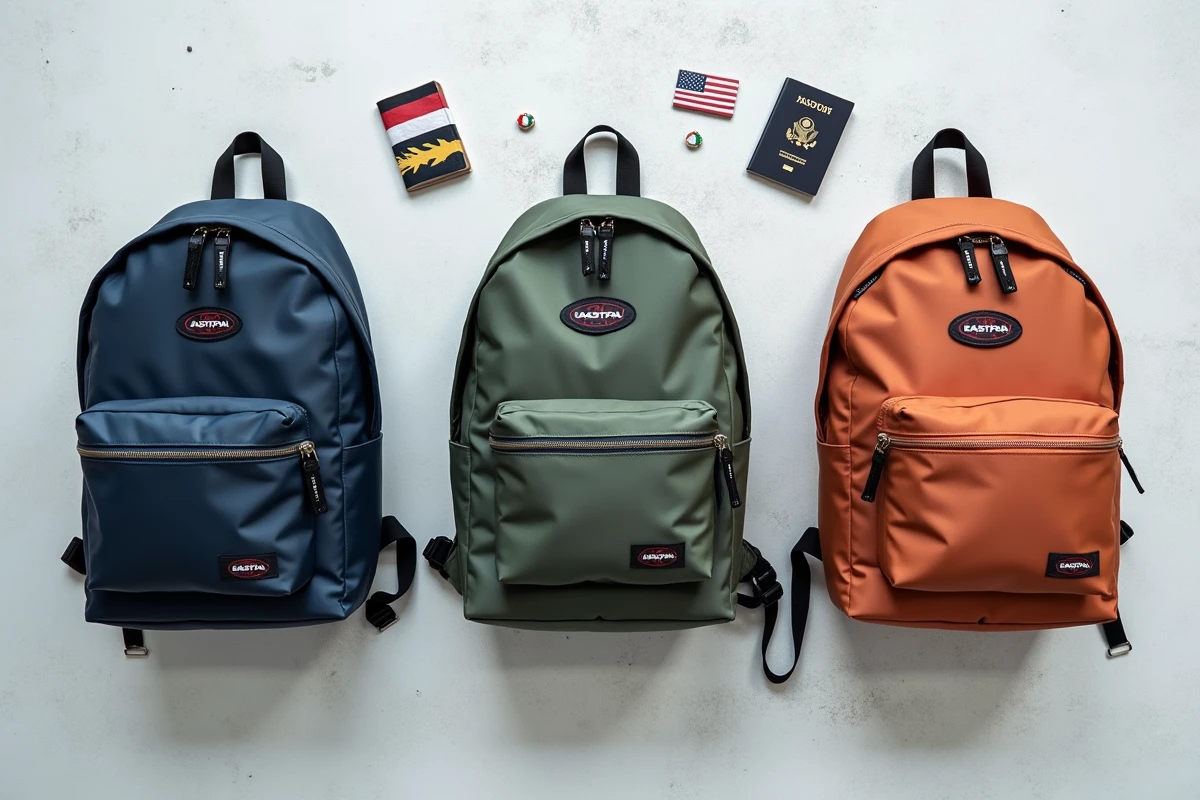
For a brand whose positioning relies on longevity, these standards represent both a validation of the existing model and a challenge for adaptation. Offering warranty repairs is not enough if the consumer cannot replace a simple part themselves.
Price positioning and Eastpak brand strategy
Eastpak occupies a mid-range segment: more expensive than mass-market brands, but accessible compared to high-end leather goods houses. This positioning relies on a reputation for durability and a long warranty, which justifies a higher initial purchase price relative to the cost per year of use.
The understated design and wide range of colors allow the brand to remain relevant for both students and professionals on the go. Occasional collaborations with designers maintain visibility in the fashion world without repositioning the brand towards luxury.
The choice to produce in Southeast Asia aligns with this strategy. European manufacturing would significantly increase selling prices and change the target audience. For consumers attached to the quality-price ratio, the origin of factories weighs less than the product’s durability, and it is precisely on this ground that Eastpak focuses its communication.
The next step for the brand will be to demonstrate that its promise of sustainability adapts to European regulatory frameworks without sacrificing the price accessibility that has been its strength since the 1980s.